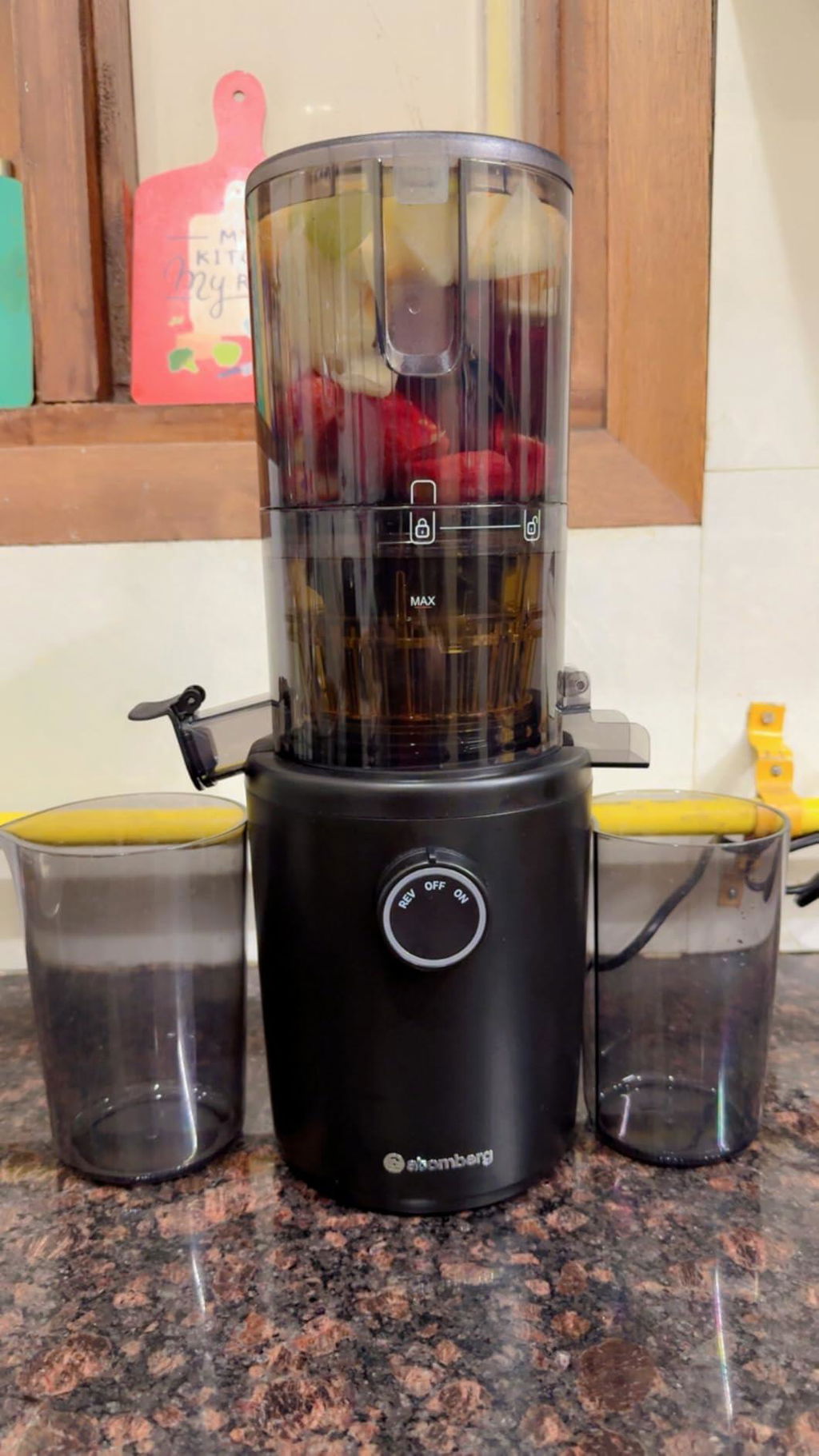
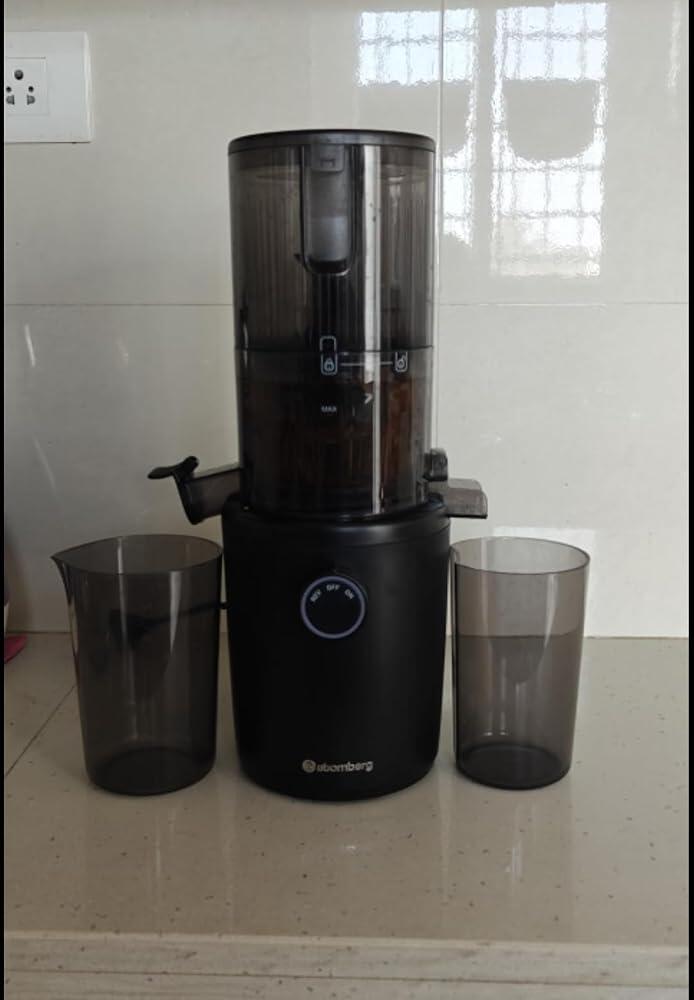
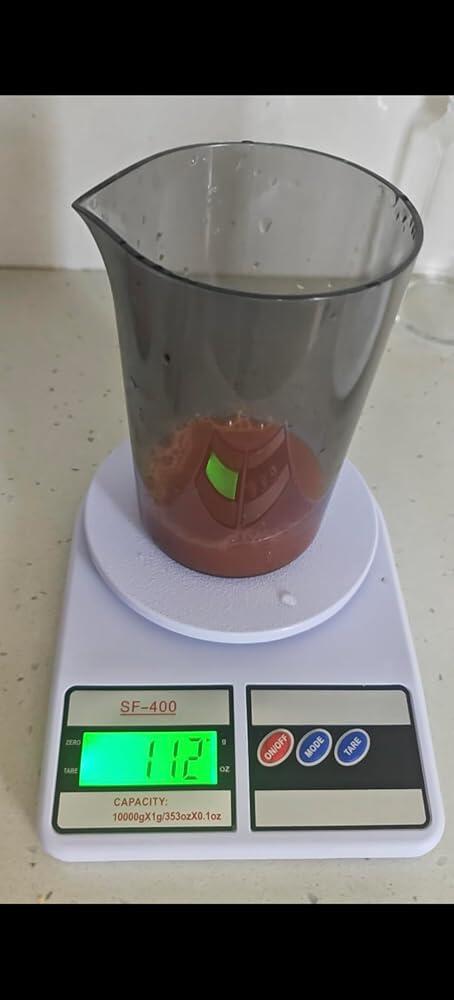
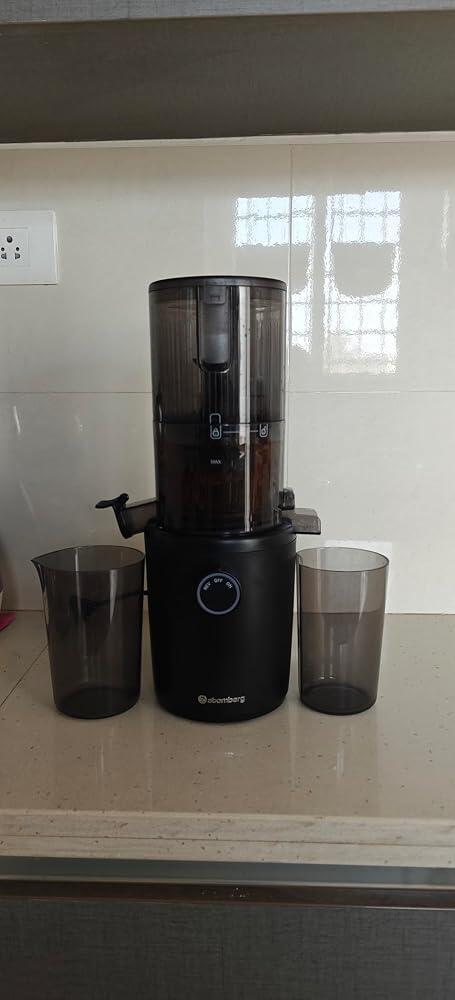
What is a Cold Press Juicer?
If you love smart appliances like Atomberg's smart ceiling fans, you'll appreciate how a cold-press juicer fits into a modern, health-conscious kitchen. But what is a cold press juicer exactly? Unlike traditional juicers, it uses slow, gentle pressure to extract juice without heat. This helps retain more vitamins, minerals, and enzymes — ideal for those who value both health and technology. The key cold press juicer benefits include better juice yield, richer taste, and longer shelf life, all while aligning with Atomberg's philosophy of high performance with low energy use.
Things To Consider When Buying a Cold Press Juicer
When buying a cold-press juicer from Atomberg, there are a few key factors to consider to ensure you get the best value and performance. Choose a model with a slow RPM rate to preserve nutrients and reduce oxidation for healthier juice. A wide feeding tube can save you prep time, while easy-to-clean parts and BPA-free materials ensure convenience and safety. Lastly, consider a design that complements your kitchen and offers quiet operation, making juicing a seamless part of your daily routine. With Atomberg's innovation and reliability, you can enjoy fresh, nutrient-rich juicing every day.
Cold Press vs Centrifugal Juicer
At Atomberg, we innovate to make your life easier and more convenient, and that's exactly the difference between a cold press juicer vs. a centrifugal juicer. Centrifugal juicers are fast but generate heat, which can degrade nutrients and flavour. Cold press juicers, in contrast, work slowly and quietly, preserving nutrition and delivering better-tasting juice. So if you care about health and smart living, cold pressing is the way to go.
Why Should You Buy an Atomberg Althea Cold Press Juicer?
At Atomberg, we believe the heart of every modern kitchen lies in smart, intelligent appliances, and that includes cold-press juicers. While Atomberg fans are known for their intelligent motor technology and sleek design, the best cold press juicer for the home should reflect similar values: quiet performance, maximum output, and ease of use.
If you're shopping for the best cold press juicer in India, look for features like slow speed RPM (for maximum nutrient retention), wide feeding tubes (for less prep), and easy-to-clean parts.
A juicer that's powerful yet simple, is the perfect match for today's wellness-focused lifestyle. Just like Atomberg, the right juicer should work beautifully in the background — smooth, elegant, and effortless.
Features and Advantages of Althea Cold Press Juicer
Low 40 RPM for High Nutrition
The slow juicing process preserves essential nutrients, enzymes, and antioxidants, giving you healthier juice in every glass without heat damage.
Easy 3-Step Assembly
Designed for convenience, the juicer can be assembled quickly in just three simple steps, making your daily juicing routine hassle-free.
Easy 30-Second Clean-up
Cleaning up is effortless with a quick rinse design that saves time, so you can focus more on enjoying your juice and less on maintenance.
Intelli REV™ for Hands-Free Operation
In case of jams or blockages, the juicer automatically detects the issue and activates Intelli Rev. It reverses the mechanism to clear the blockage, ensuring a smooth, hands-free operation.
No-Chopping with XL Hopper
The large hopper lets you add whole fruits and vegetables, reducing prep time and making juicing faster and more convenient.
Safe & Worry-Free Operation
Built with safety-first features, the juicer ensures secure usage, giving you complete peace of mind while operating it.
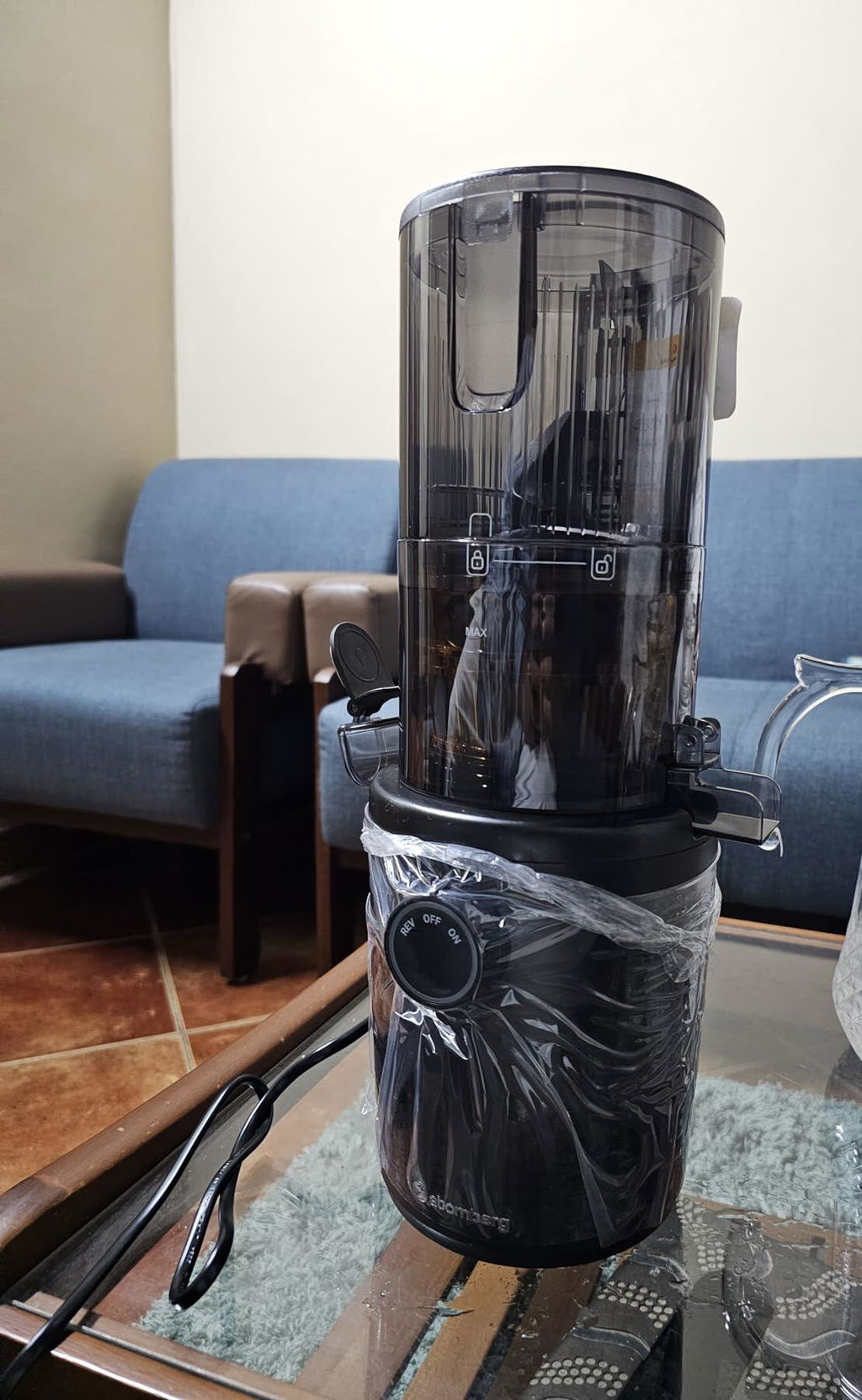
Compact Vertical Design
The sleek vertical build saves kitchen space while maintaining high performance, making it ideal for modern homes.
Fruit, Veggie Juices & Nut Milks
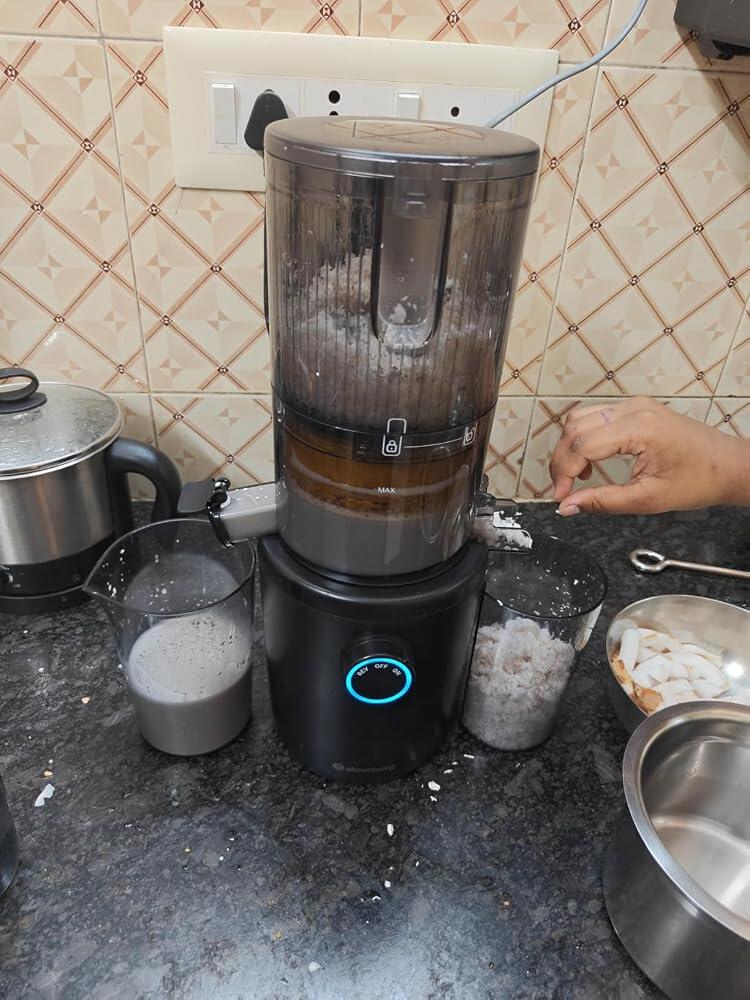
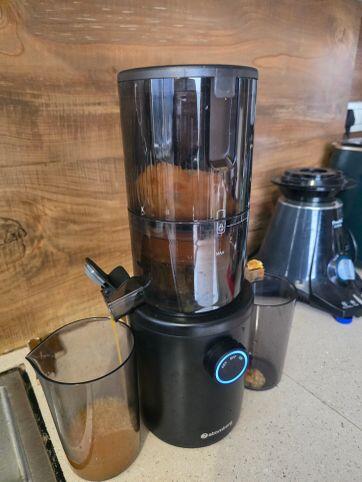
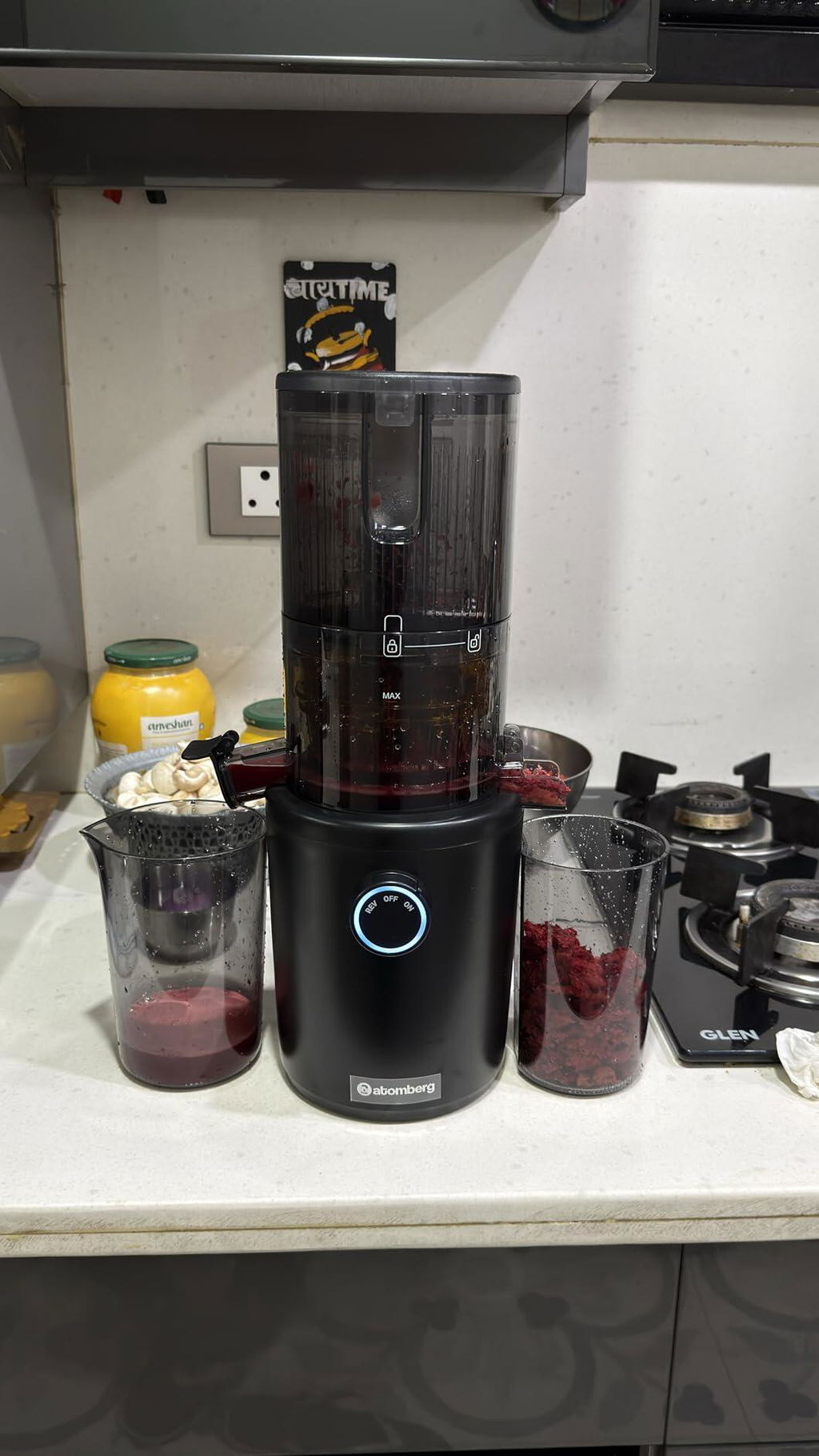
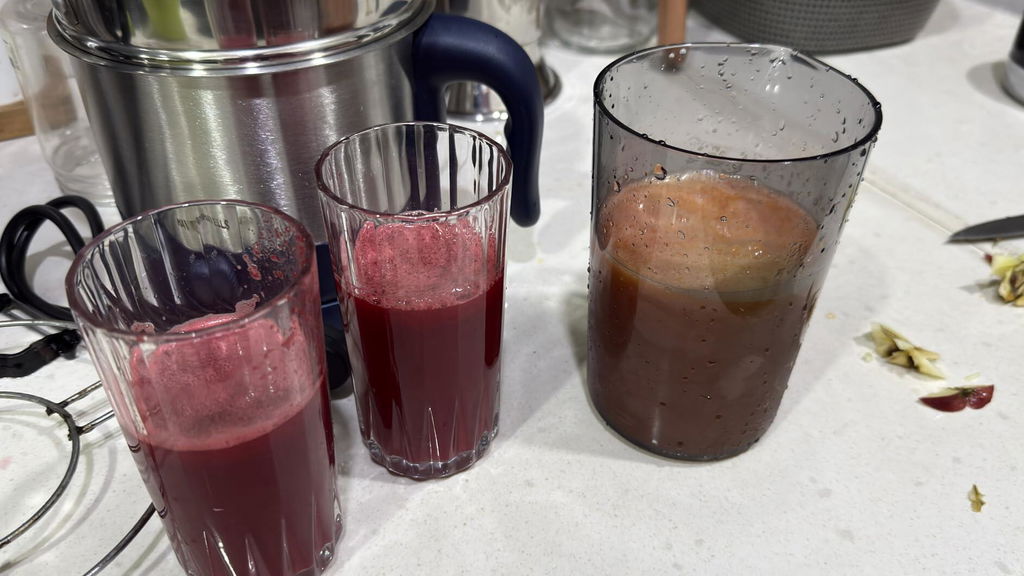
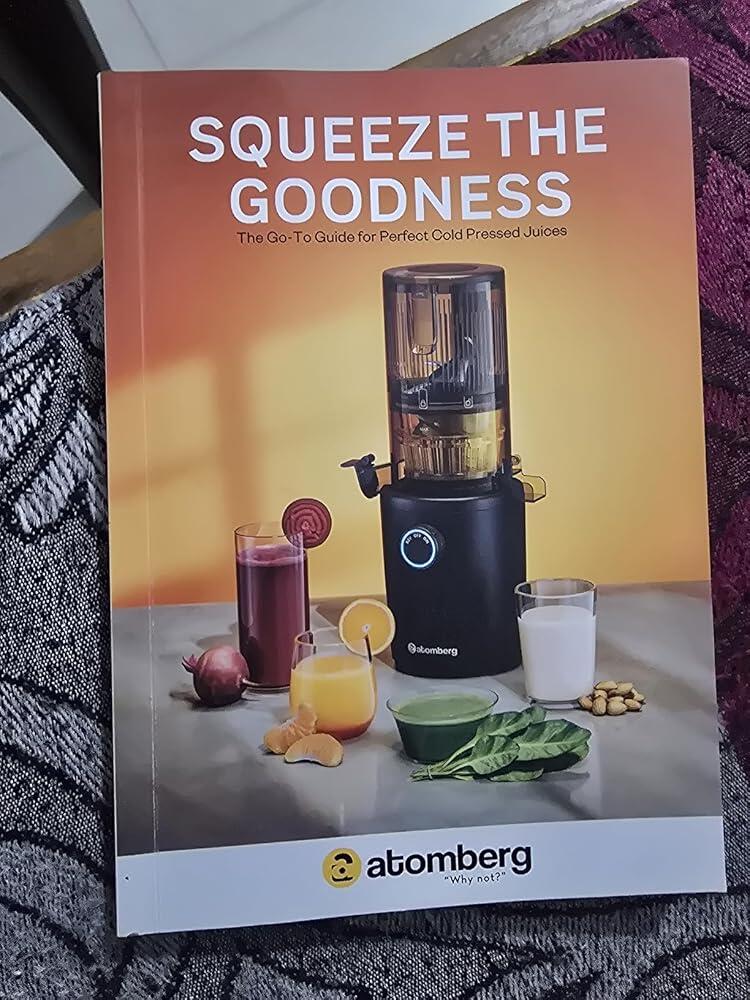
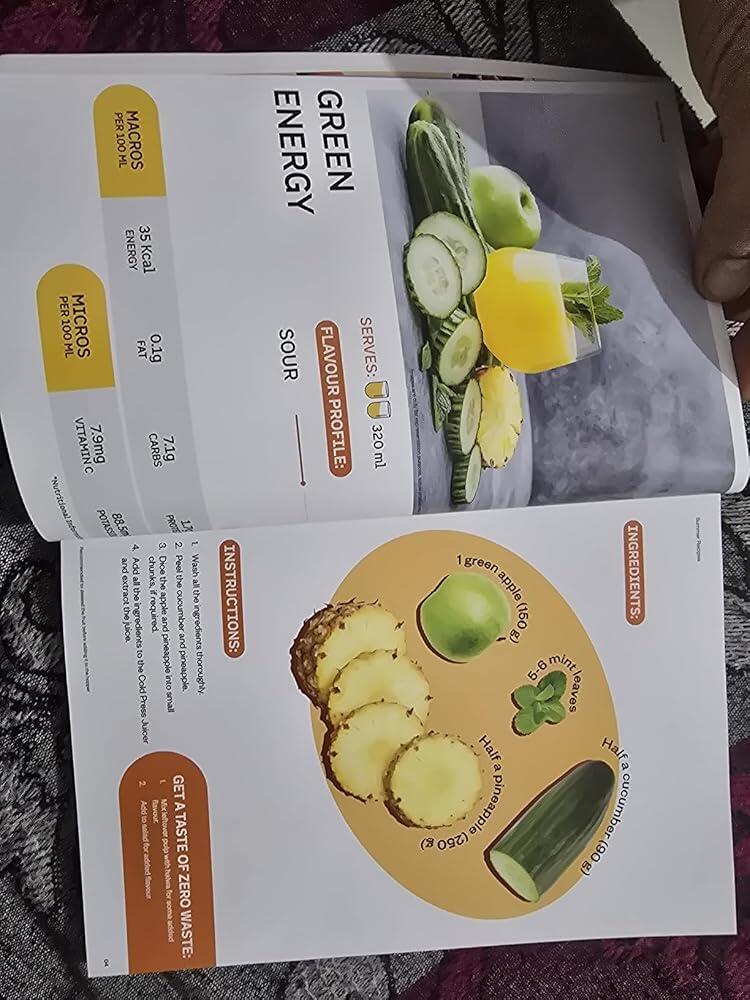
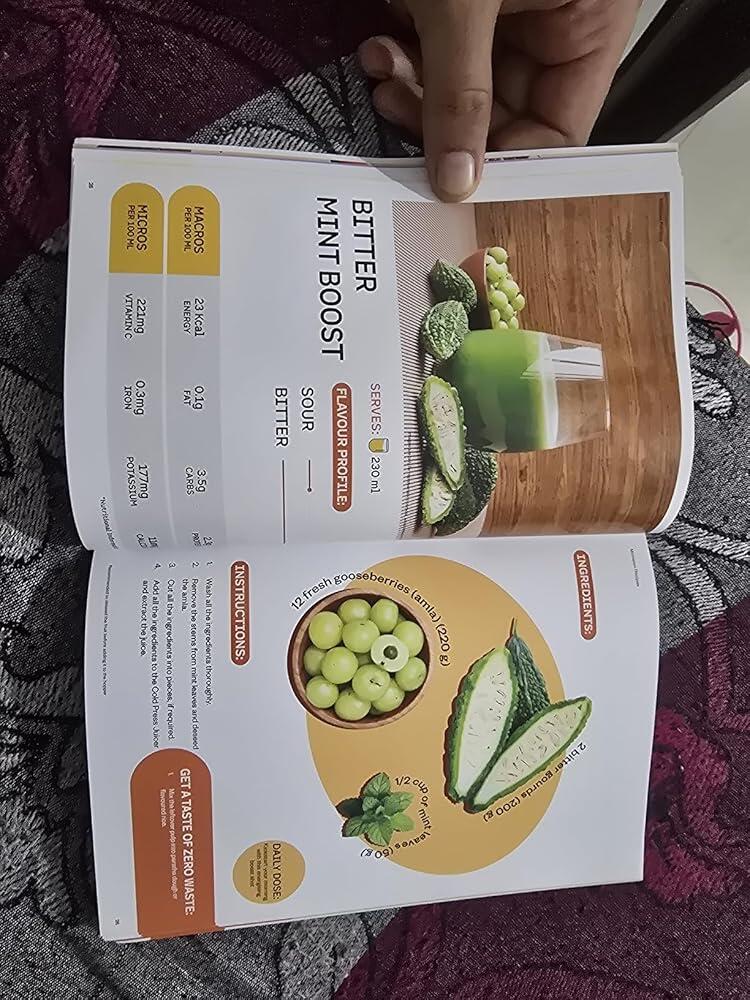
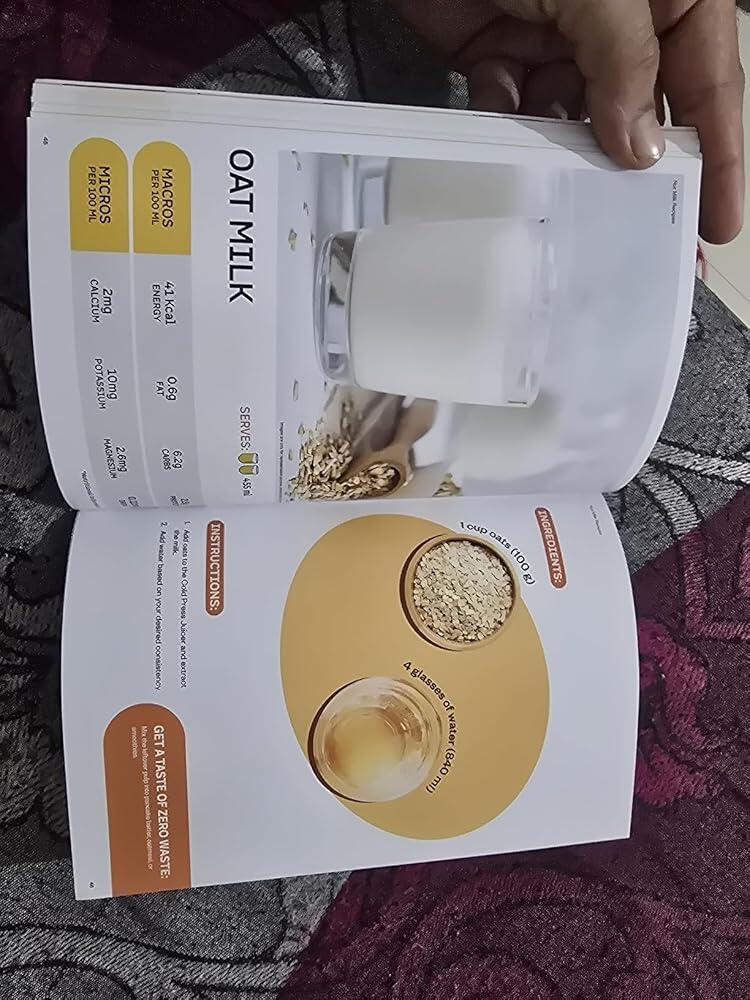
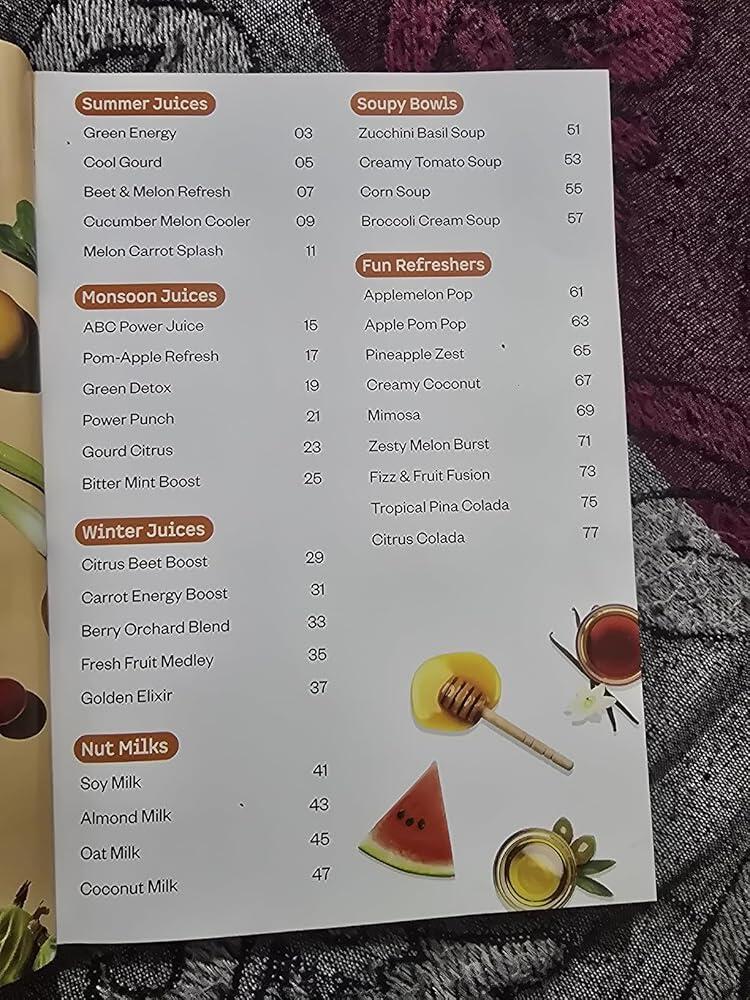
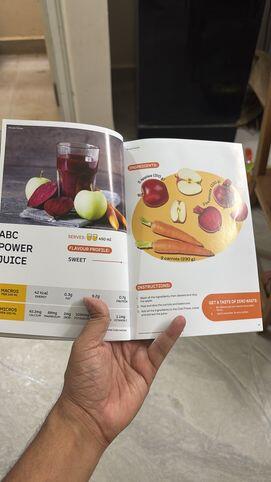
Versatile functionality lets you create a variety of juices and nut milks, supporting a wide range of healthy lifestyle choices. Beyond the usual ABC juice and coconut milk, try fun recipes from the recipe book that comes with the product, like healthy popsicles, soups, mocktails, and more.
Cleaning Tips for Cold-Press Juicer
Keeping your cold press juicer clean ensures it performs smoothly and lasts longer — just like Atomberg products that are designed for reliable performance with minimal effort. Wondering how to clean a cold press juicer? Start by disassembling the parts immediately after use so pulp does not dry and stick to the components.
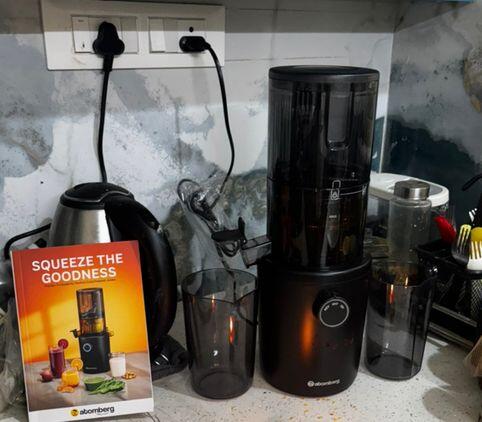
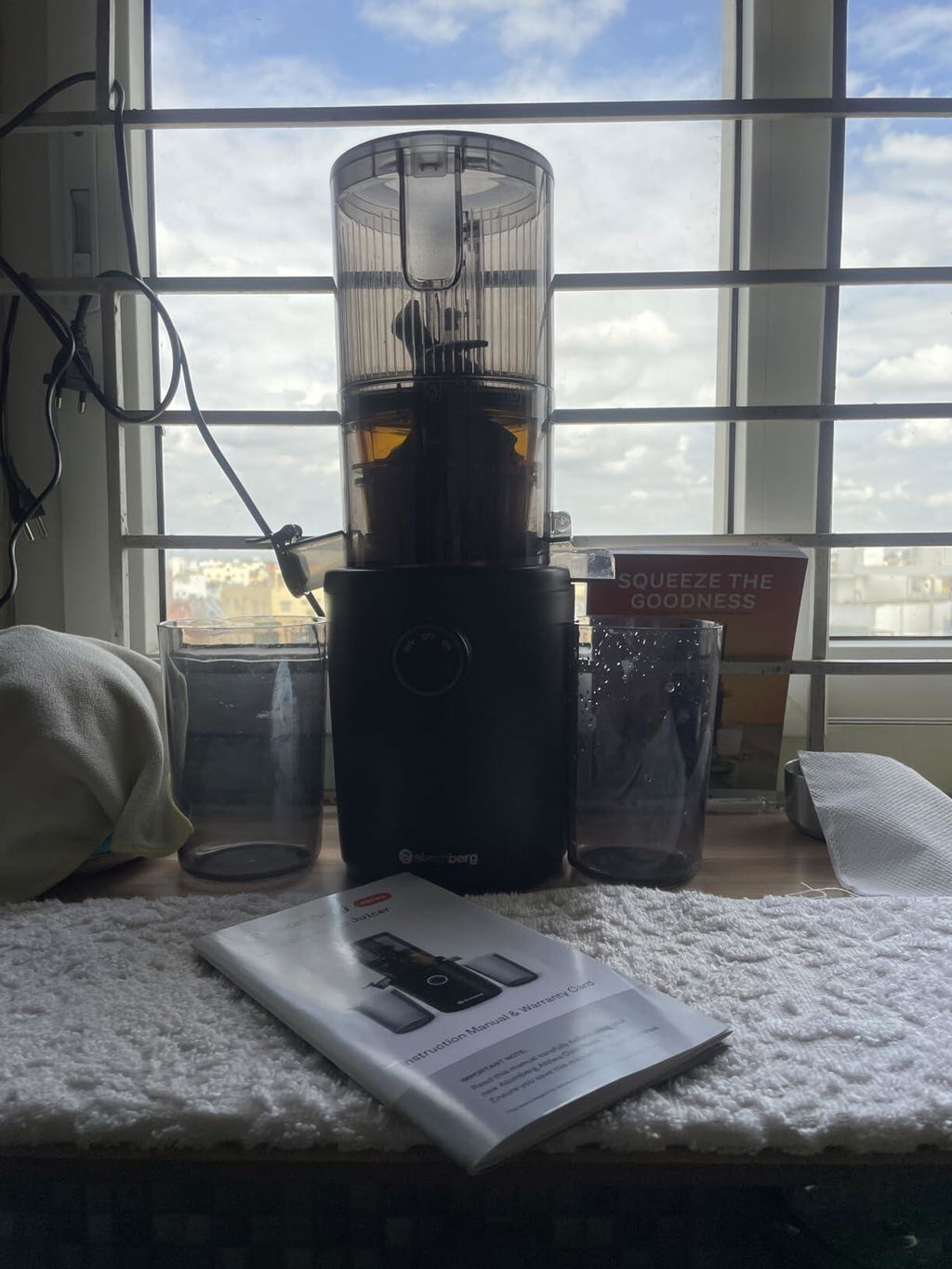
With the Atomberg Althea Cold Press Juicer, cleaning is designed to be quicker and simpler than many conventional juicers. The vertical build, split filters and detachable pulp outlet allows you to wash the parts under running water without spending excessive time scrubbing. No extra brush or tool required. The parts are also dishwasher safe.
Compared to many traditional juicers that require multiple cleaning steps, Atomberg's design focuses on simpler maintenance and quicker cleanup, making daily juicing more convenient for busy kitchens.
Frequently Asked Questions
Q1: What can I make with the juicer?
Althea is ideal for preparing fresh fruit and vegetable juices, as well as nut milks. You can also explore a variety of recipes like soups and popsicles from the recipe book that comes with the product. You can also refer to the recipe book here: atomberg.com/pages/user-manuals
Beyond juices, Althea can be used to prepare a range of dishes, making it a versatile addition to your kitchen.
Q2: Is Althea safe to use around children?
Yes. Althea features advanced safety systems like Auto Lid and Hopper Lock Detection, which prevent the juicer from starting unless everything is securely in place. The No-Auto Restart feature ensures that the appliance remains switched off after a power cut, even when the power supply is restored. Together, these features help ensure a safe and worry-free experience.
Q3: Is a cold press juicer better than a Mixer Grinder?
Yes. While a mixer grinder can make juices, a cold press juicer retains more nutrients by avoiding heat and oxidation, ensuring better-tasting and healthier juice.
If your goal is pure juice with enhanced health benefits and better taste, cold press is the smarter choice — just like choosing Atomberg over ordinary appliances.
Q4: How long does cold pressed juice last?
Cold-pressed juice can stay fresh for 2 to 3 days when refrigerated. Because the slow extraction process introduces less heat and air, it slows down oxidation and enzymatic browning compared to centrifugal juicers. Storing the juice in an airtight container helps preserve its nutrients, colour, and taste longer.
Q5: Making juice at home can be time-consuming. What's different about Althea?
Althea is designed to save time at every step. Its XL hopper fits whole fruits and larger pieces, reducing prep time. It's also easy to assemble and disassemble, and a beep confirms when the assembly is correct — so there's no guesswork. Althea doesn't need constant supervision either. Its Intelligent Auto-Reverse handles blockages automatically, without manual intervention. And when you're done, the parts can be easily rinsed under running water, with no additional brush required. From prep to cleaning, Althea makes juicing simple, convenient, and hassle-free.
Q6: Is cold press juicer worth the investment?
A cold press juicer can offer more than just fresh juice. With better nutrient retention and the flexibility to prepare a variety of beverages and recipes — from fresh fruit and vegetable juices to nut milks, soups, and more — it can become a versatile addition to your kitchen. By making fresh juices and other recipes at home, you can also reduce your dependence on store-bought beverages and enjoy greater control over the ingredients you consume. Over time, this can make the investment more worthwhile.
Plus, with an intuitive design and easy-to-clean components, a cold press juicer can make preparing fresh, homemade drinks more convenient and effortless.
Q7: How is an Atomberg Cold Press Juicer different from a regular cold press juicer?
What sets Atomberg apart from other cold press juicers is its user-friendly design, built to make juicing simpler and more convenient. The 121 mm XL hopper accommodates larger quantities at once, reducing the need for extensive chopping and prep. Cleaning is also hassle-free, with most parts easily rinsable under running water, without intensive scrubbing. The Intelligent Auto-Reverse function detects and clears blockages automatically, minimising manual intervention and ensuring a smoother juicing experience.
Q8: What is the difference between a slow juicer and a cold press juicer?
A slow juicer and a cold press juicer are essentially the same type of appliance; they both use a low-speed, gentle squeezing method to extract juice from fruits and vegetables. The term "slow juicer" refers to the low RPM (revolutions per minute) at which the machine operates, while "cold press juicer" highlights the fact that the process generates very little heat, helping to retain more nutrients, enzymes, and natural flavour. Unlike traditional juicers that use fast-spinning blades, slow or cold press juicers offer healthier, more nutrient-rich juice with better shelf life and less oxidation.
Q9: What material are the jars made of?
The jars are made of BPA-free Tritan, a durable and food-safe material. They are also dishwasher-safe, making them easy to clean.
Q10: What's the difference between cold press and normal juicer?
Cold press juicers use slow, gentle pressure to extract juice without generating heat, helping preserve essential vitamins, enzymes, and nutrients. In contrast, traditional high-speed juicers operate at much higher RPMs, which creates heat and oxidation — resulting in faster nutrient loss and reduced juice quality.
Q11: Which type of juicer is healthiest?
Cold press (or masticating) juicers are considered the healthiest type. They operate slowly to extract juice without generating heat, which helps preserve essential nutrients, enzymes, and antioxidants. This makes the juice more nutritious and longer lasting compared to centrifugal juicers, which can destroy some nutrients due to heat and oxidation. For those focused on health, an Atomberg cold press juicer offers a nutrient-rich, natural juice experience every day.
Q12: Is a cold press juicer worth it if I don't use it every day?
Yes. Even occasional use can make it a worthwhile investment, especially with its versatility. Beyond fresh juices, you can use it to make nut milks, soups, baby food, popsicles, and more. It can also help you save on store-bought juices and other processed beverages.
Q13: What fruits, milk and soups can I use in a cold press juicer?
Just like Atomberg fans adapt to your needs, cold press juicers are versatile too. You can juice apples, oranges, pomegranates, berries, nut milk, coconut, soup bases, and even leafy greens with ease.
Whether you're starting your morning with citrus or adding greens for a detox, cold press juicers handle it all smoothly with maximum yield and minimal prep.